
Base44 rapidamente se tornou uma opção popular para pessoas experimentando a construção de aplicativos com IA. Promete velocidade, flexibilidade e aquela sensação familiar de vibe coding, onde você faz a solicitação primeiro e se preocupa com a estrutura depois. Se você gosta de vibe coding e transformar prompts em aplicativos funcionais, vai se identificar com o Base44.
Este guia abrange 14 alternativas fortes ao Base44, agrupadas por categoria para que você possa ler, comparar e decidir rapidamente.
Por que Procurar Alternativas ao Base44
A popularidade de ferramentas assim faz parte de uma mudança muito maior. O desenvolvimento nativo de IA está se tornando a abordagem padrão, não um experimento. O relatório 2026 Strategic Technology Trends da Gartner projeta que, até 2030, 80% das organizações operarão com equipes menores, aumentadas por IA, enquanto plataformas nativas de IA impulsionarão 40% dos aplicativos empresariais, aumentando de apenas 2% em 2025.

Conforme isso se torna o jeito padrão de construir software, as equipes começam a enfrentar questões práticas e a comparar opções além do Base44.
Razões comuns para que as equipes procurem alternativas incluem:
Preços baseados em crédito ou uso que se tornam difíceis de prever
Controle limitado sobre o UI e o acabamento visual
Aplicativos gerados por IA que funcionam para demos, mas precisam de ajustes para produção
Querer a participação de designers antes mesmo de existir código
Necessitar de assistência de IA sem abstrair completamente a pilha
As ferramentas abaixo abordam esses problemas de diferentes maneiras, dependendo do que você mais valoriza.
Nossas Principais Escolhas
Após testar 14 construtores de aplicativos de IA, destacamos três que se sobressaem em fluxos de trabalho específicos.
Melhor para Equipes UI-First: Banani
Preço fixo ($20–30/mês) sem créditos baseados em uso. Banani gera designs de UI editáveis e protótipos que podem ser exportados para Figma ou HTML/CSS. É ideal para equipes que desejam alinhar designers, gerentes de produto e desenvolvedores em decisões concretas de UI antes de começar o desenvolvimento.
Melhor Alternativa Full-Stack: Bolt.new
Mais próximo da sensação de vibe coding do Base44, mas com mais controle de código. Lida com frontend, backend e implantação no navegador. Os preços começam por volta de $25 por mês, com escalonamento baseado em uso conforme projetos e volume de geração aumentam.
Melhor para Desenvolvedores: Cursor
Editor de código potenciado por IA projetado para trabalhar com bases de código existentes e fluxos de desenvolvimento. Em vez de gerar aplicativos inteiros, foca em auxiliar na refatoração, depuração e extensão de código real de produção. Os preços começam em $20 por mês, com limites baseados em uso dependendo dos recursos de IA utilizados.

Tabela de Comparação Rápida
Ferramenta | Melhor Caso de Uso | vs Base44 | Preço Inicial | Exportação de Código | Melhor Para |
|---|---|---|---|---|---|
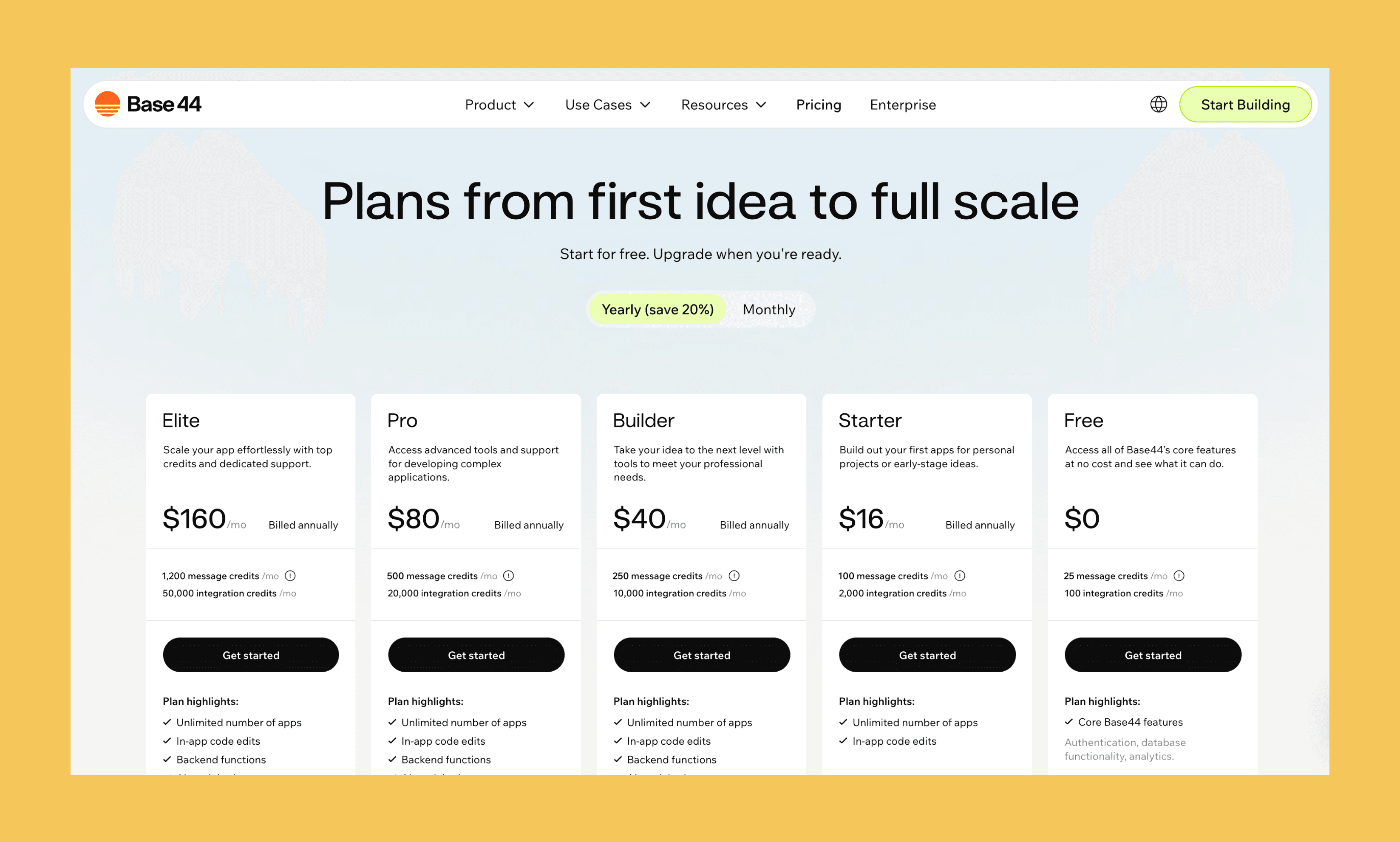
Base44 | Geração de aplicativos baseada em prompts | Referência | $20/mês, sistema de crédito | Sim, em planos pagos | Fundadores, desenvolvedores |
Banani | Design de UI de IA & prototipagem | Sem backend, foca apenas em design UI/UX | $20/mês, fixo | HTML/CSS, Figma | Designers, fundadores, equipes de produto |
Bubble | Aplicativos web sem código | Mais controle visual, curva de aprendizado mais acentuada. O chat de IA existe, mas a experiência principal de construção é visual. | $29/mês para mobile somente, $59 para web & mobile | Limitado | Fundadores não técnicos, equipes |
Replit | Codificação assistida por IA | IDE real com visibilidade de código, não totalmente gerenciado | $20/mês, sistema de crédito | Sim | Desenvolvedores |
Lovable | Protótipos iniciados por prompt | Abordagem de IA semelhante, usa Supabase para backend | $25/mês, sistema de crédito | Limitado | Fundadores |
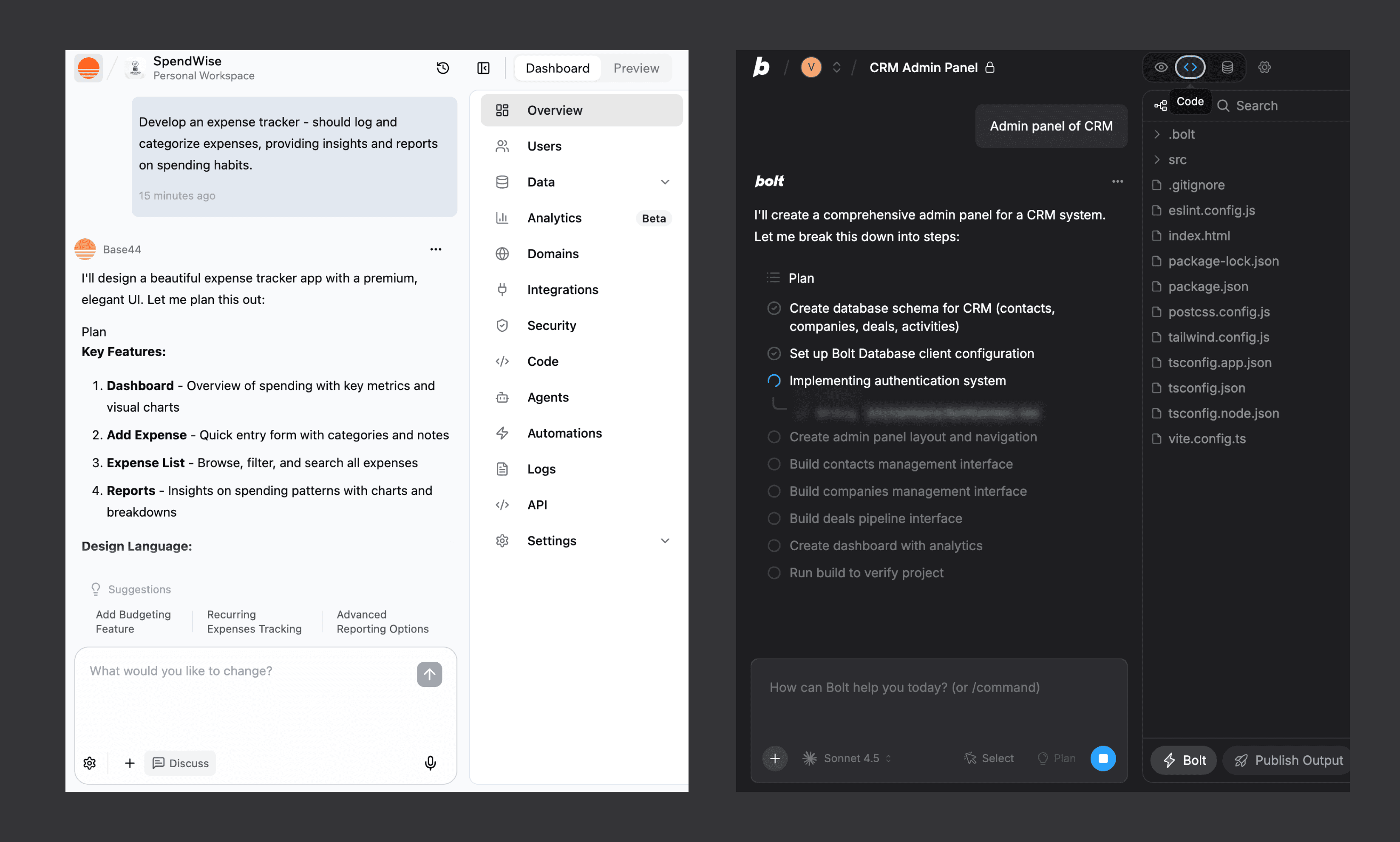
Bolt.new | Vibe coding full-stack | Mais controle de código, baseado em navegador como Base44 | $25/mês, sistema de crédito | Sim | Fundadores, desenvolvedores |
a0.dev | Geração de aplicativos mobile | Focado em mobile (iOS/Android), não voltado para web | $20/mês, sistema de crédito | Sim | Fundadores mobile |
Glide | Aplicativos baseados em dados | Baseado em planilha, mais simples, mas menos flexível | $25/mês | Limitado | Fundadores não técnicos |
Retool | Ferramentas internas | Mais focado em banco de dados/API, não gerado por IA | $10/usuário/mês | Limitado | Equipes de engenharia |
Vercel v0 | Componentes UI de IA | Frontend somente, sem backend ou banco de dados | $20/mês | Sim | Desenvolvedores |
MagicPatterns | UI de sistema de design | Apenas componentes de UI, não aplicativos completos | $19/mês, sistema de crédito | Figma | Equipes de design |
Builder.io | Desenvolvimento visual | CMS + editor visual, integra-se com código existente | $25/mês, sistema de crédito | Sim | Equipes de produto |
Stitch | Geração de design de IA | Apenas mockups de UI, sem funcionalidade | Gratuito | Figma | Designers |
Cursor | Editor de código de IA | Funciona com repositórios existentes, não geração de aplicativos | $20/mês, sistema de crédito | Sim | Desenvolvedores |
Firebase | Infraestrutura de backend | Apenas backend, configuração manual necessária | Baseado em uso | Só backend | Desenvolvedores |
Ferramentas de Design & Prototipagem
Banani
Banani foca em gerar designs de UI editáveis e protótipos a partir de prompts, referências ou documentos de produto. Foi construído para equipes que desejam clareza visual antes de escrever código.
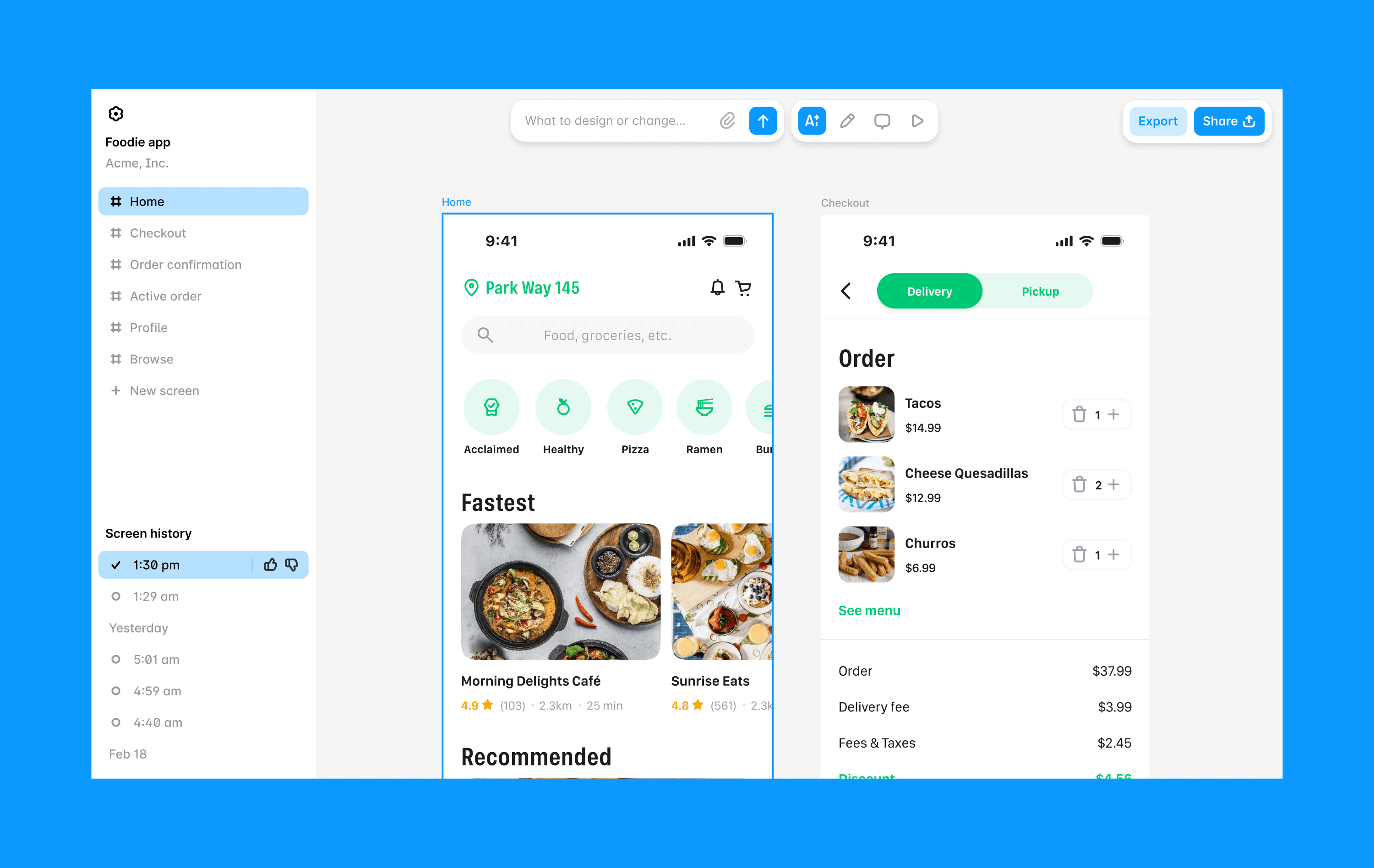
Por que isso importa:
Gera designs de UI e protótipos interativos usando IA
Funciona bem para descoberta e iteração inicial de produtos
Suporta exportação para Figma, imagem e HTML/CSS
Preço fixo sem créditos ou tokens
Fácil de compartilhar designs com as partes interessadas
Forças: Preço previsível, forte saída de UI, ótimo para alinhamento inicial, forte integração com Figma
Limitações: Não gera backend ou lógica de aplicação
Preço: Plano gratuito disponível. Planos pagos usam preço fixo (a 20 e 30 USD por mês)
Stitch
Stitch é uma ferramenta do Google Labs que converte prompts em designs de UI. É propositalmente simples e ótimo para ideação inicial.
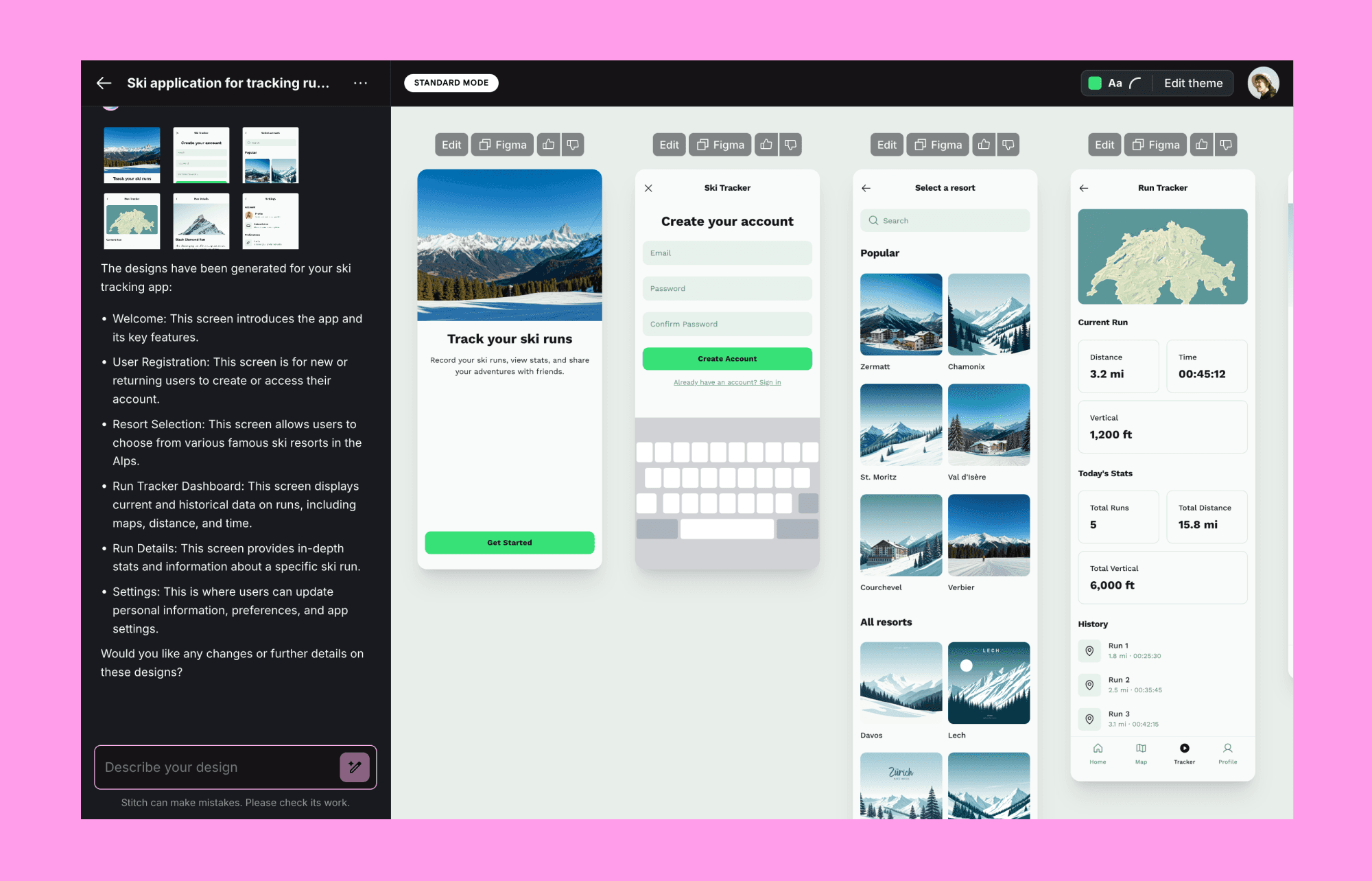
Melhor para: Exploração de design UI por prompts
Por que isso importa:
Saída de design limpa e minimalista
Útil para brainstorming e teste de conceito
Requer configuração zero
Forças: Gratuito, rápido, fácil de tentar
Limitações: Personalização e integração limitada com Figma, sem fluxos de trabalho de produção
Preço: Gratuito
Magic Patterns
MagicPatterns ajuda equipes a gerar UI que se alinham com componentes existentes e sistemas de design.
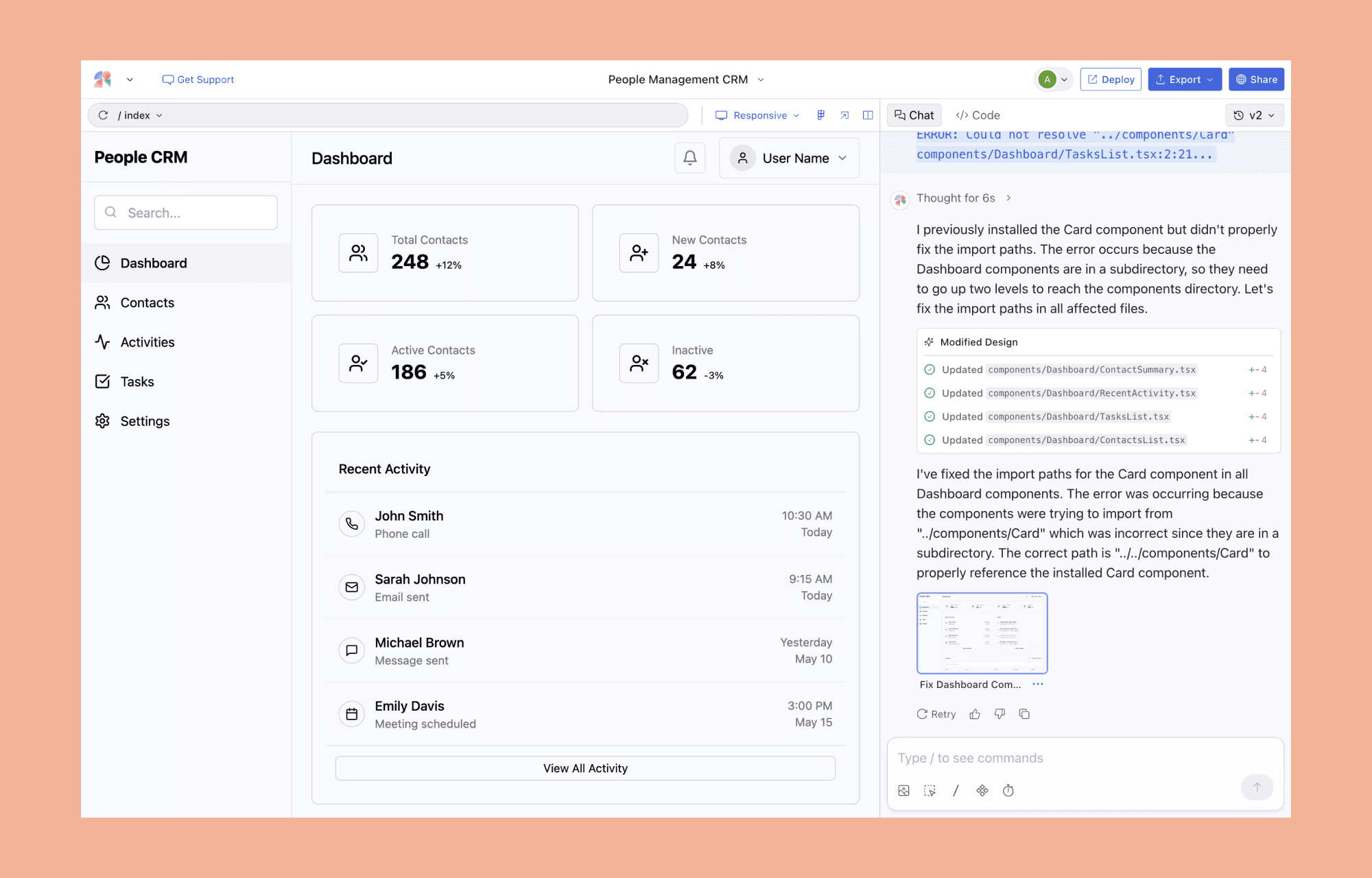
Melhor para: Equipes com sistemas de design estabelecidos
Por que isso importa:
UI gerada por IA consistente com seu sistema
Reduz o trabalho repetitivo de layout
Útil para equipes de produto e design
Incentiva consistência visual
Forças: Amigável a sistemas de design, geração rápida de UI
Limitações: Menos útil sem um sistema existente
Preço: Teste gratuito disponível. Planos pagos começam em $19/mês + taxas baseadas em uso
Construtores de IA Full-Stack
Lovable
Lovable gera estruturas de aplicativos e fluxos a partir de prompts e é mais adequado para demos rápidas e validação inicial.
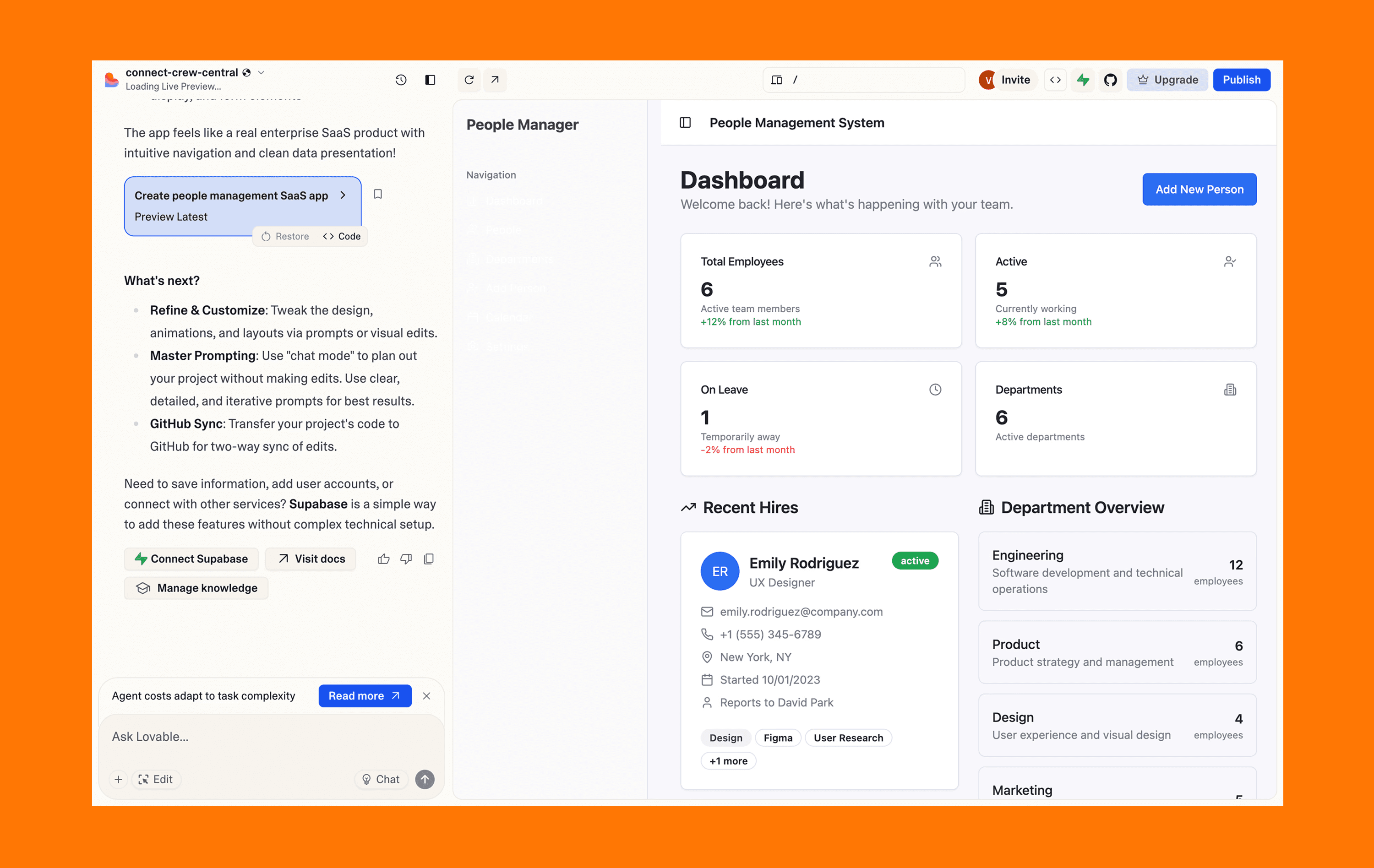
Melhor para: Protótipos iniciados por prompt
Por que isso importa:
Fluxo de ideia-para-aplicativo muito rápido
Configuração mínima
Sensação forte de vibe coding
Bom para testar conceitos se você não se importa com a aparência
Forças: Rápido, amigável para iniciantes
Limitações: Preço baseado em crédito aumenta rapidamente os custos, controle de produção limitado, e os usuários relatam uma UI genérica
Preço: Teste gratuito disponível. Planos pagos começam em $25/mês com limites de uso baseados em tokens
Veja como Lovable se compara a outras ferramentas de design de IA
Bolt.new
Bolt.new é um dos concorrentes mais próximos ao Base44. Gera aplicativos completos a partir de um único prompt e funciona inteiramente no navegador.
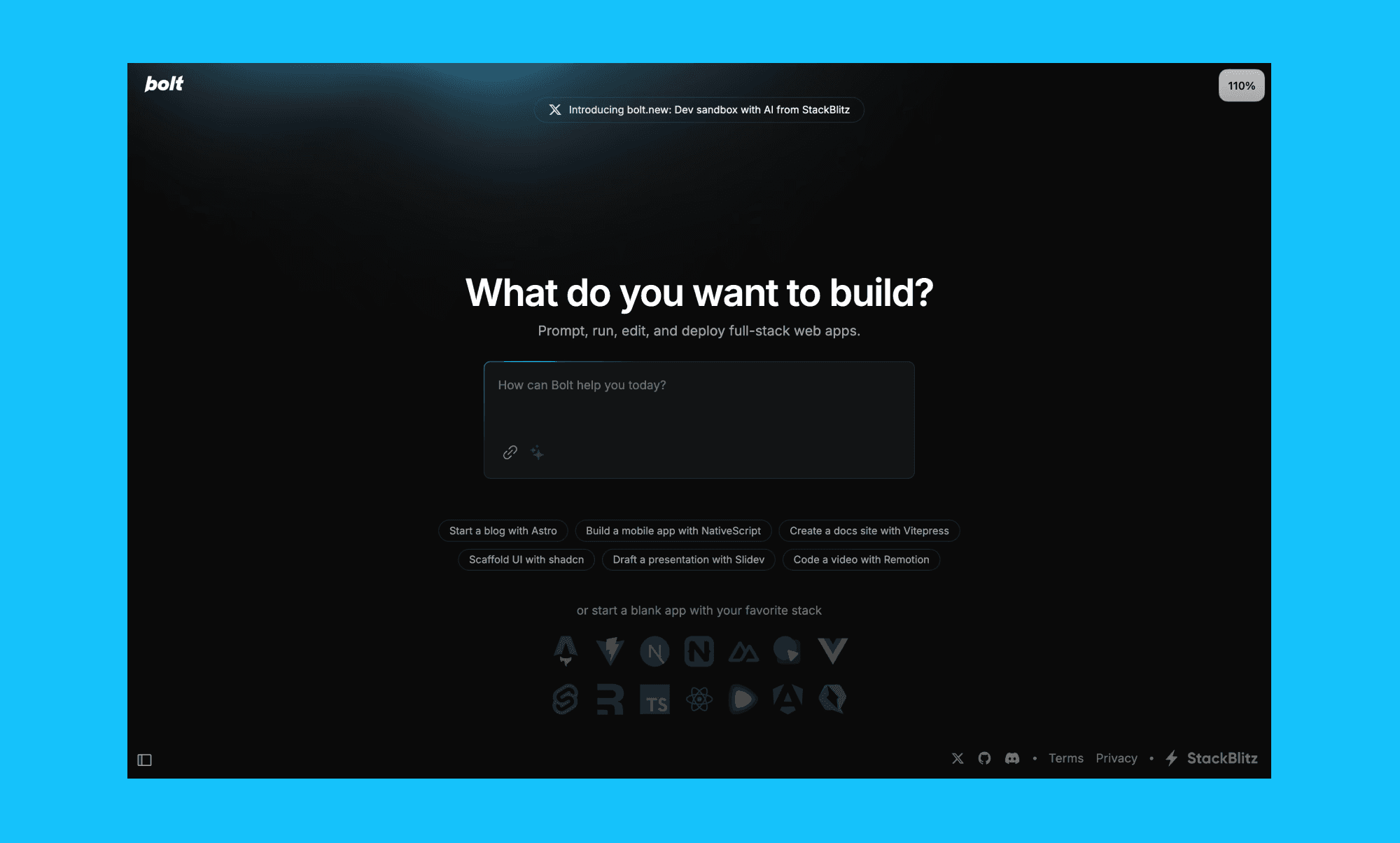
Melhor para: Vibe coding full-stack e MVPs
Por que isso importa:
Gera frontend, backend e banco de dados
Hospedagem e implantação integradas
Comunidade ativa e iteração rápida
Mais controle do que a maioria dos construtores de IA
Forças: Saída full-stack, desenvolvimento baseado em navegador
Limitações: Preço escala com uso
Preço: Camada gratuita disponível. Planos pagos começam em $25/mês com limites de uso baseados em tokens
a0.dev
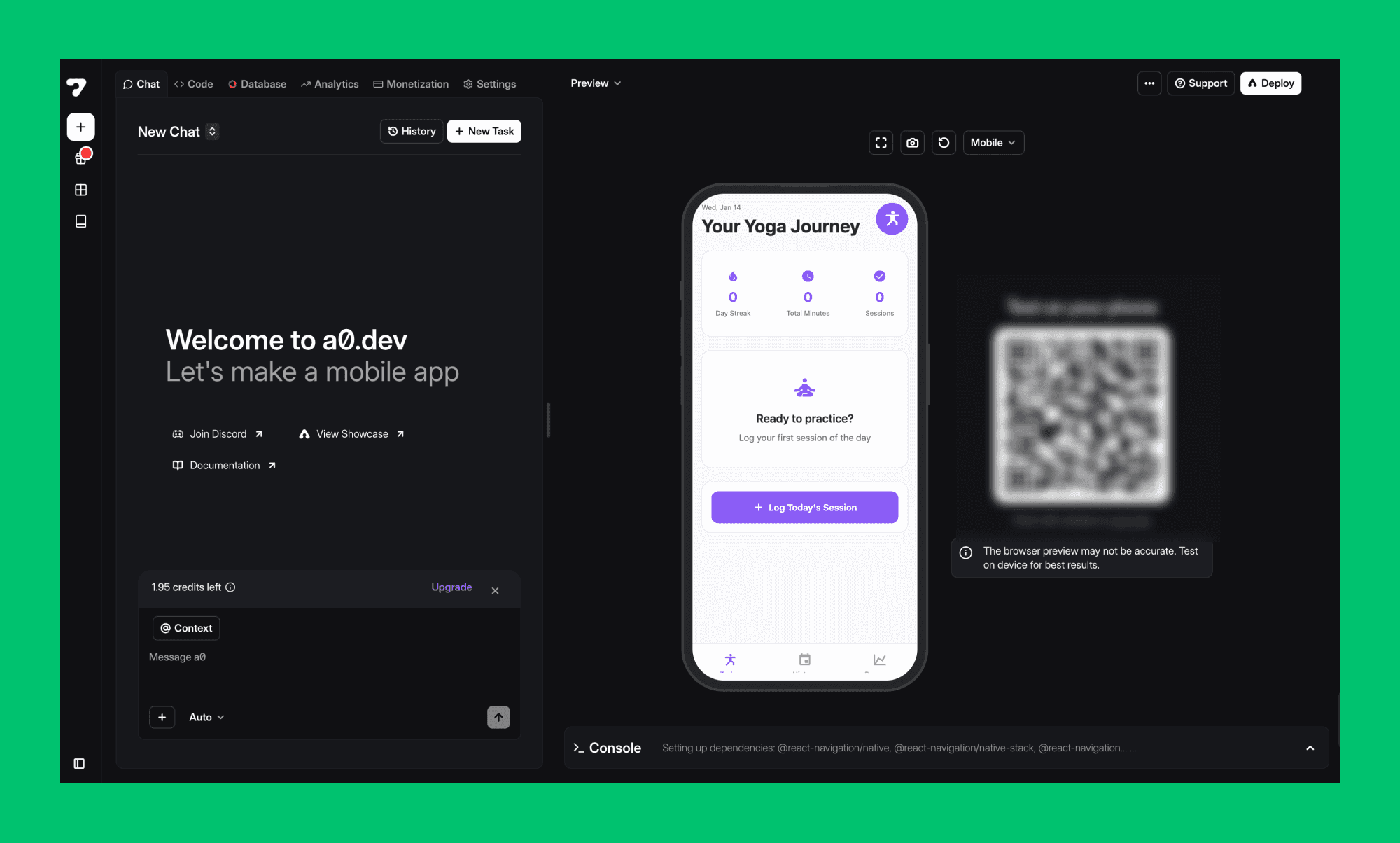
a0.dev foca em construir aplicativos iOS e Android com IA, incluindo fluxos de implantação.
Por que isso importa:
Gera aplicativos mobile a partir de prompts
Lida com etapas da App Store e Play Store
Abordagem mobile-first
Mais rápido que pilhas mobile tradicionais
Forças: Foco forte em mobile, implantação incluída
Limitações: Menos flexível para aplicativos web
Preço: Começa a 20 USD/mês + taxas baseadas em uso
Builder.io
Builder.io combina edição visual com frameworks de produção reais e bases de código existentes.
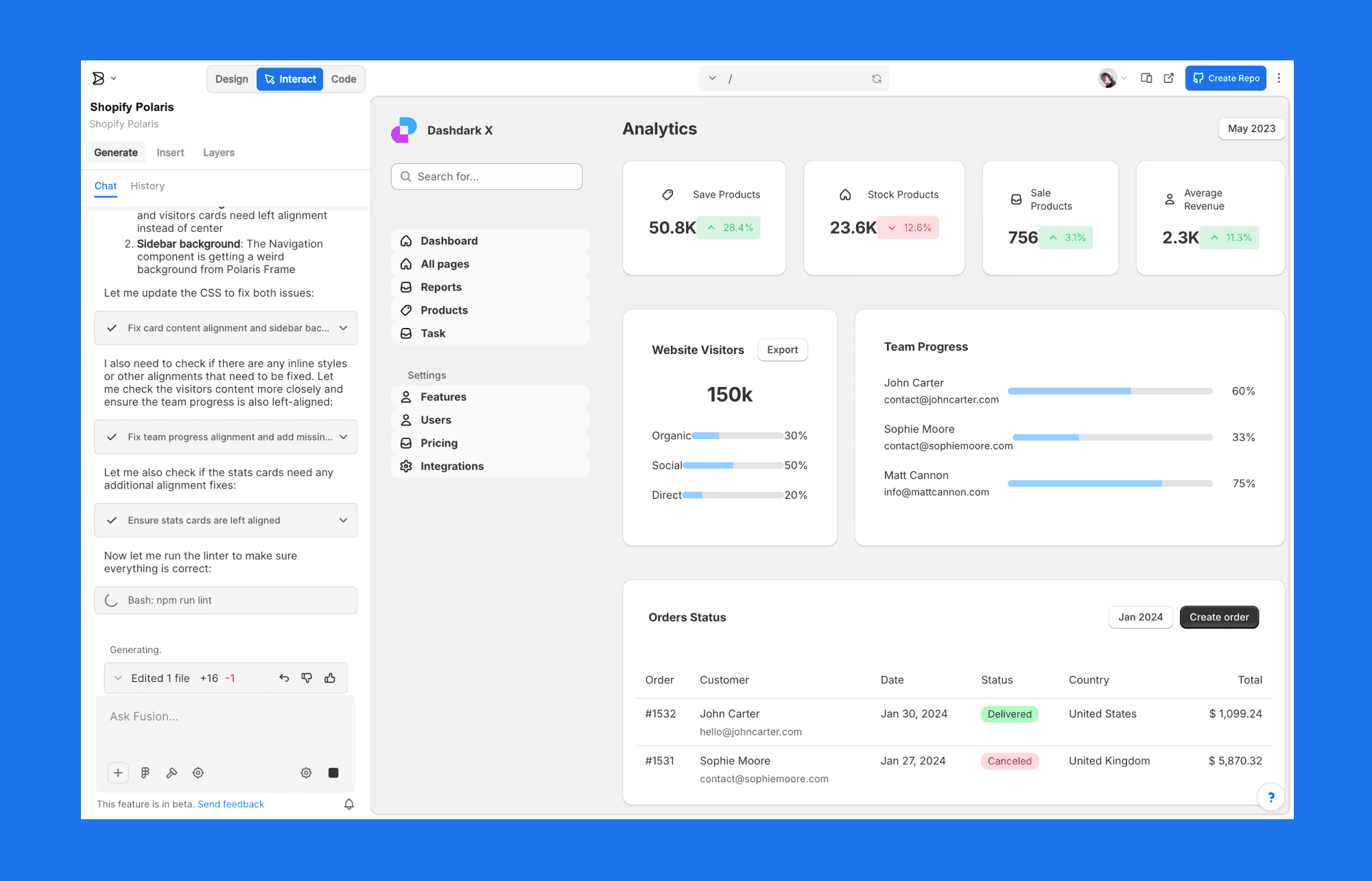
Melhor para: Desenvolvimento visual em escala
Por que isso importa:
Funciona com frameworks frontend modernos
Integração com Figma
Recursos prontos para empresas
Equilibra designers e desenvolvedores
Forças: Pronto para produção, flexível
Limitações: Configuração mais pesada que ferramentas puramente de IA, preço baseado em tokens
Preço: Planos pagos começam em $25/mês + taxas baseadas em uso
Plataformas Sem Código
Bubble
Bubble permite construir aplicativos web completos usando fluxos de trabalho visuais em vez de código tradicional. Bubble é popular entre fundadores não técnicos construindo startups que necessitam de capacidades full-stack.
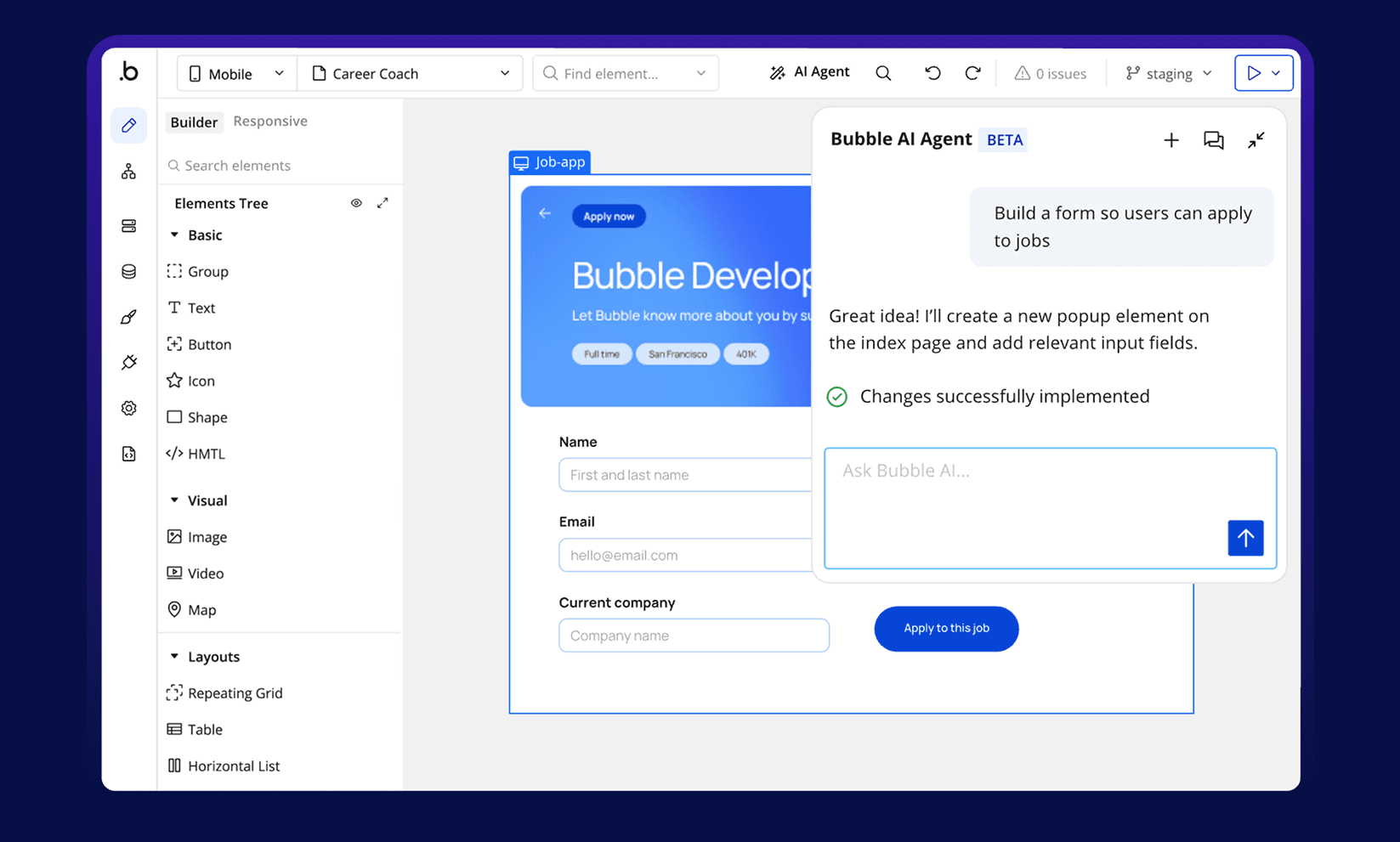
Melhor para: Aplicativos web sem código
Por que isso importa:
Lida com lógica, banco de dados e UI
Grande ecossistema de plugins
Adequado para MVPs e ferramentas internas
Comunidade forte
Forças: Plataforma sem código poderosa para construir aplicativos web complexos com lógica, fluxos de trabalho e um banco de dados embutido.
Limitações: Curva de aprendizado acentuada e ajuste de desempenho frequentemente necessário conforme os aplicativos crescem.
Preço: Plano gratuito disponível. Planos pagos começam em $29/mês.
Saiba mais sobre como projetar UI usando IA e outras abordagens de design de IA.
Glide
Glide conecta-se especificamente ao Airtable, Google Sheets, ou Excel para criar aplicativos. É menos flexível que o Base44, mas isso é intencional.
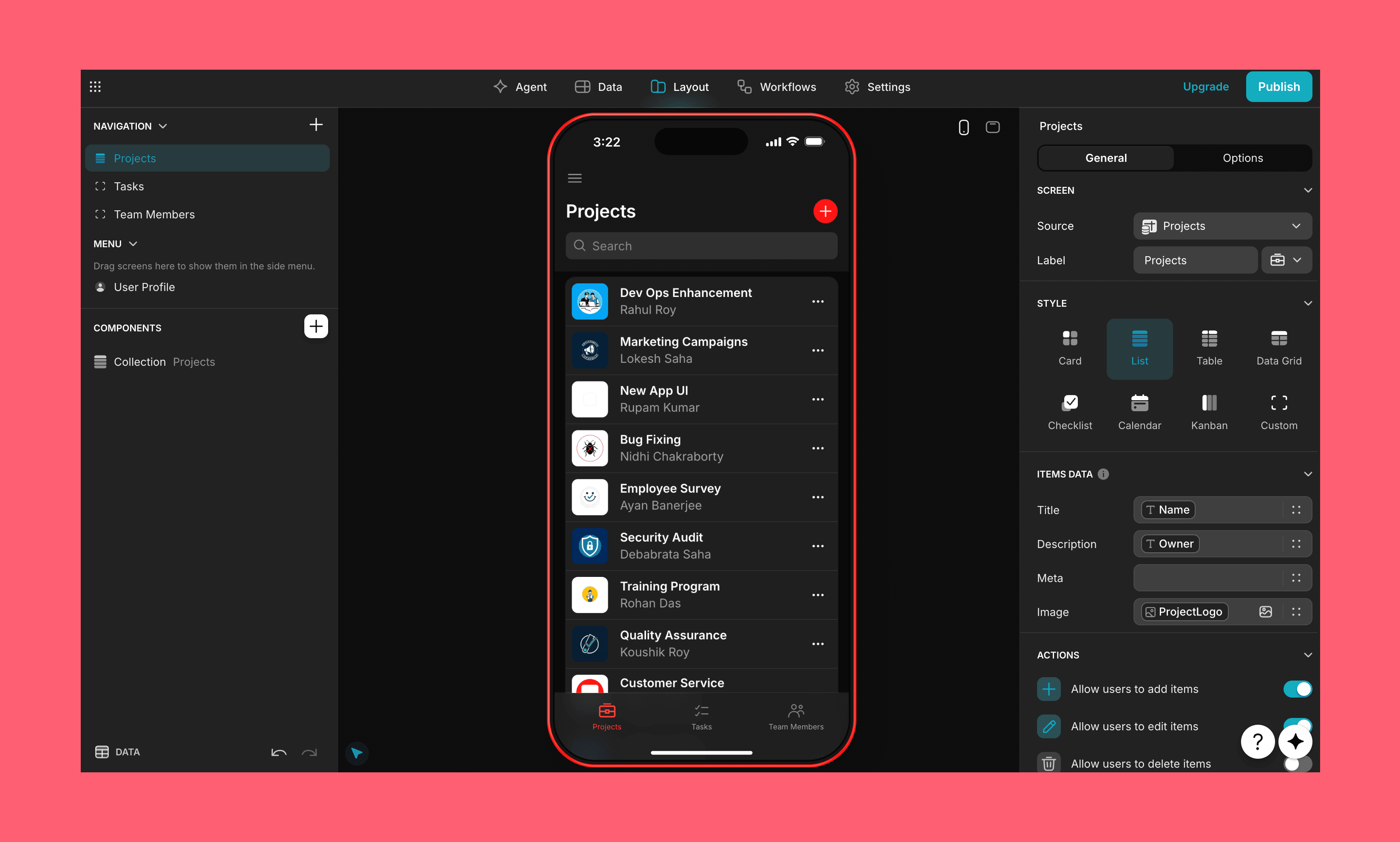
Melhor para: Aplicativos construídos em dados existentes
Por que isso importa:
Configuração extremamente rápida a partir de planilhas
Defaults de UI limpos
Ideal para dashboards e ferramentas internas
Restrições ajudam equipes a lançar mais rápido
Forças: Forma extremamente rápida de construir aplicativos a partir do Airtable, Google Sheets, ou Excel, especialmente para ferramentas internas.
Limitações: Flexibilidade limitada para UI personalizada ou lógica complexa além de fluxos de trabalho baseados em dados.
Preço: Plano gratuito disponível. Planos pagos começam por volta de $25/mês.
Ferramentas de Desempenho Antes de Tudo
Replit
Replit combina uma IDE baseada em navegador com ferramentas de IA para escrever e depurar código.
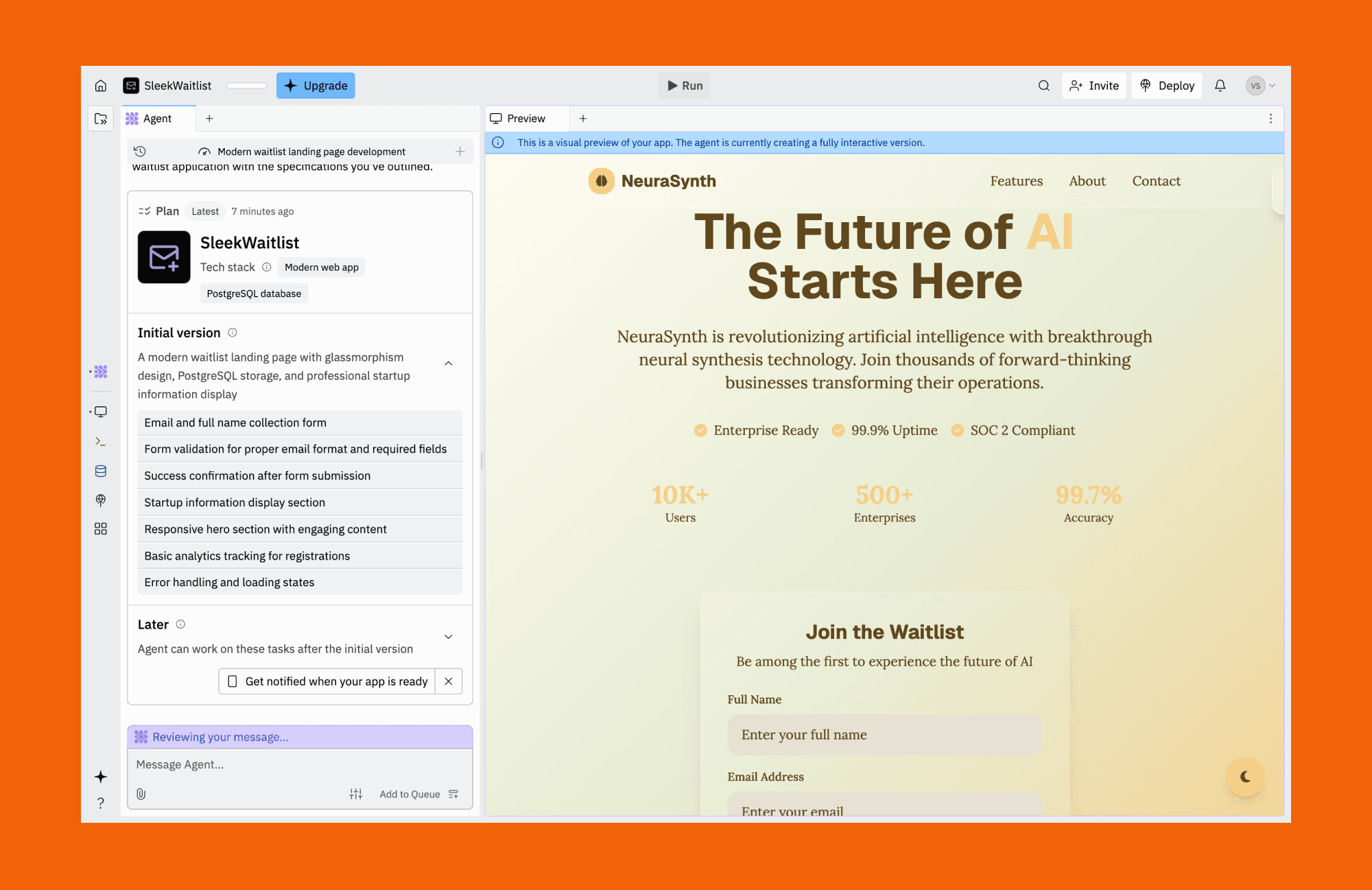
Melhor para: Desenvolvimento assistido por IA
Por que isso importa:
Código real e frameworks reais
IA ajuda em vez de abstrair tudo
Ótimo para aprendizado e prototipagem
Suporta projetos full-stack
Forças: Fácil, IDE em nuvem sem configuração, com forte colaboração e suporte a multi-linguagem.
Limitações: Preço baseado em créditos e problemas de desempenho podem surgir em projetos maiores.
Preço: Plano gratuito disponível. Planos pagos começam em $20/mês com limites de uso baseados em tokens
Cursor
Cursor é um editor potenciado por IA que entende toda a sua base de código.
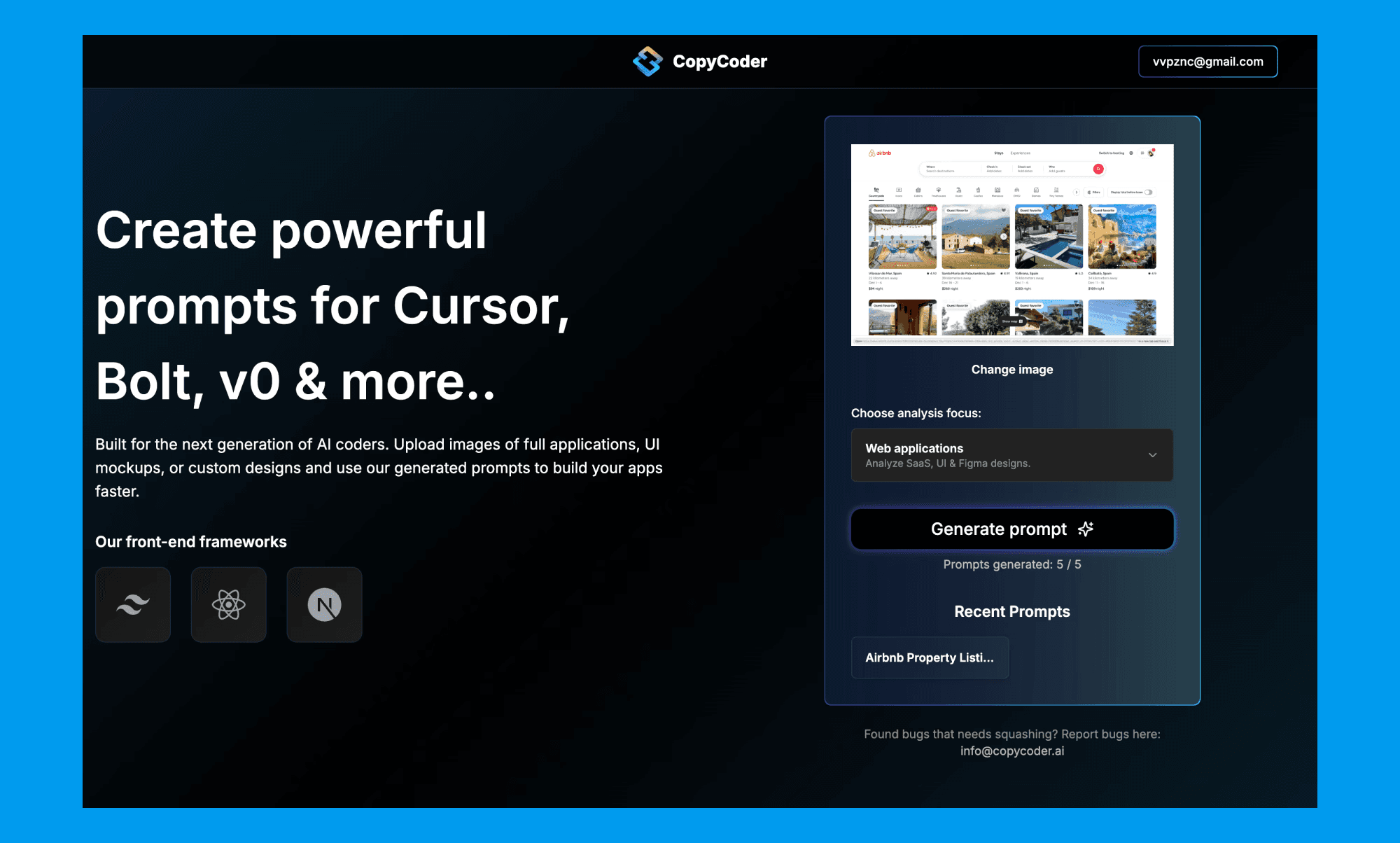
Melhor para: IA dentro do seu editor de código
Por que isso importa:
Excelente para refatoração e depuração
Sem bloqueio de plataforma
Funciona com projetos existentes
Acelera o desenvolvimento diário
Forças: Compreensão profunda de bases de código existentes, excelente para refatoração e depuração.
Limitações: Requer experiência em codificação e não lida com implantação ou scaffolding de aplicativos.
Preço: Camada gratuita disponível. Planos pagos começam em $20/mês com limites de uso baseados em tokens
Ferramentas Especializadas
Retool
Retool é projetado para construir aplicativos internos sérios.
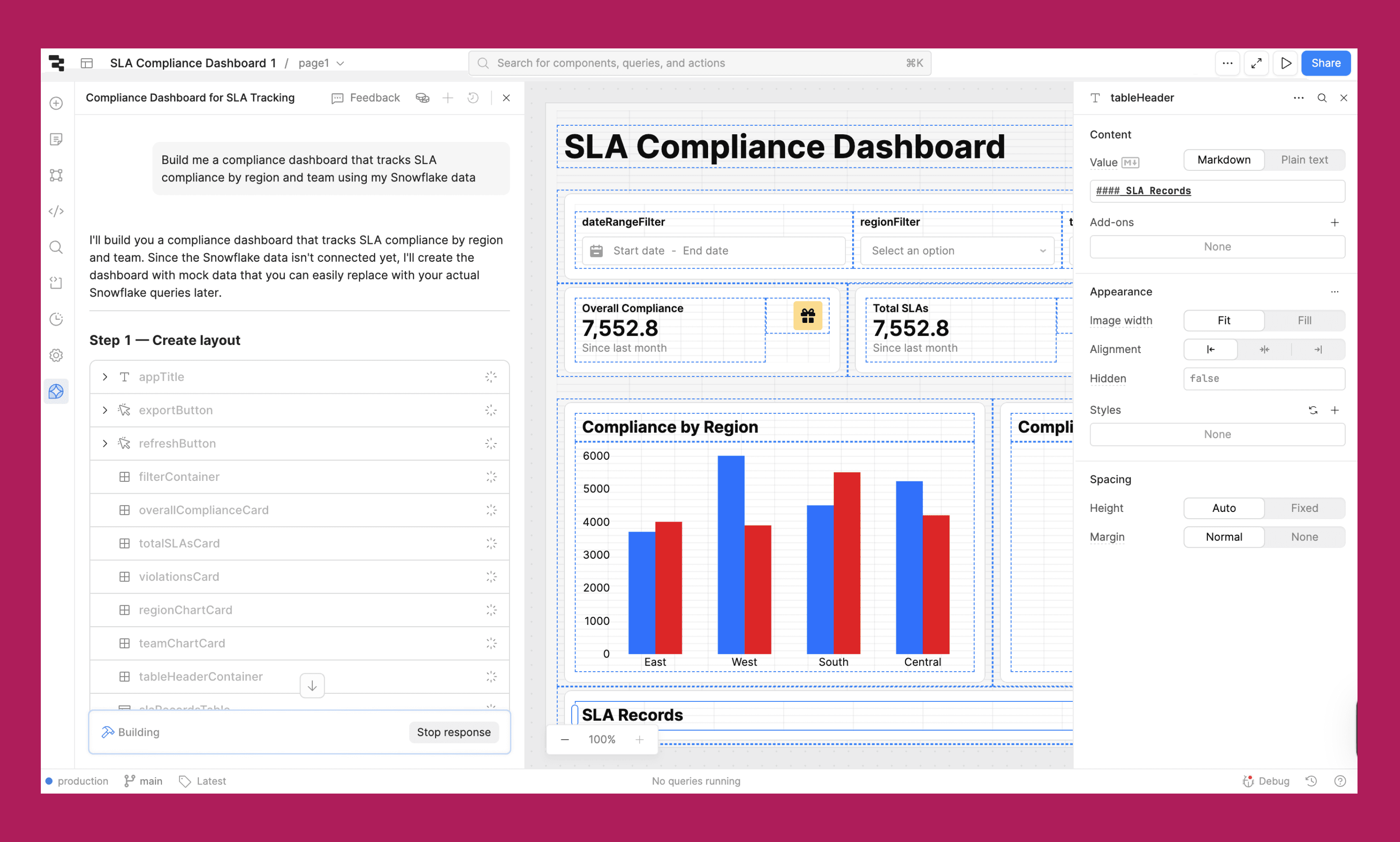
Melhor para: Ferramentas internas
Por que isso importa:
Conecta-se a quase qualquer banco de dados ou API
Forte controle de acesso
Ferramentas prontas para produção
Confiável por equipes de engenharia
Forças: Excelente para construir ferramentas internas com fortes integrações de banco de dados e API.
Limitações: Não adequado para aplicativos voltados ao cliente e pode ficar caro com grandes equipes.
Preço: Camada gratuita disponível. Planos de equipe começam por volta de $20/usuário/mês + taxas baseadas em uso
Vercel v0
v0 gera componentes UI frontend a partir de prompts.

Melhor para: Componentes UI gerados por IA
Por que isso importa:
Componentes React de alta qualidade
Suporte a pilha frontend moderna
Prototipagem rápida de UI
Diferentemente do Base44, o v0 permanece firmemente no território frontend. Isso significa sem banco de dados, sem autenticação, sem lógica de backend. Apenas componentes React limpos que você pode inserir em sua pilha existente.
Forças: Gera UI de React de alta qualidade e algum código de backend, como ações de servidor e rotas de API.
Limitações: A saída de backend é limitada a trechos de código e não lida com bancos de dados, autenticação ou infraestrutura.
Preço: Camada gratuita disponível. Planos pagos começam por volta de $20/mês + taxas baseadas em uso
Firebase
Melhor para: Infraestrutura de backend
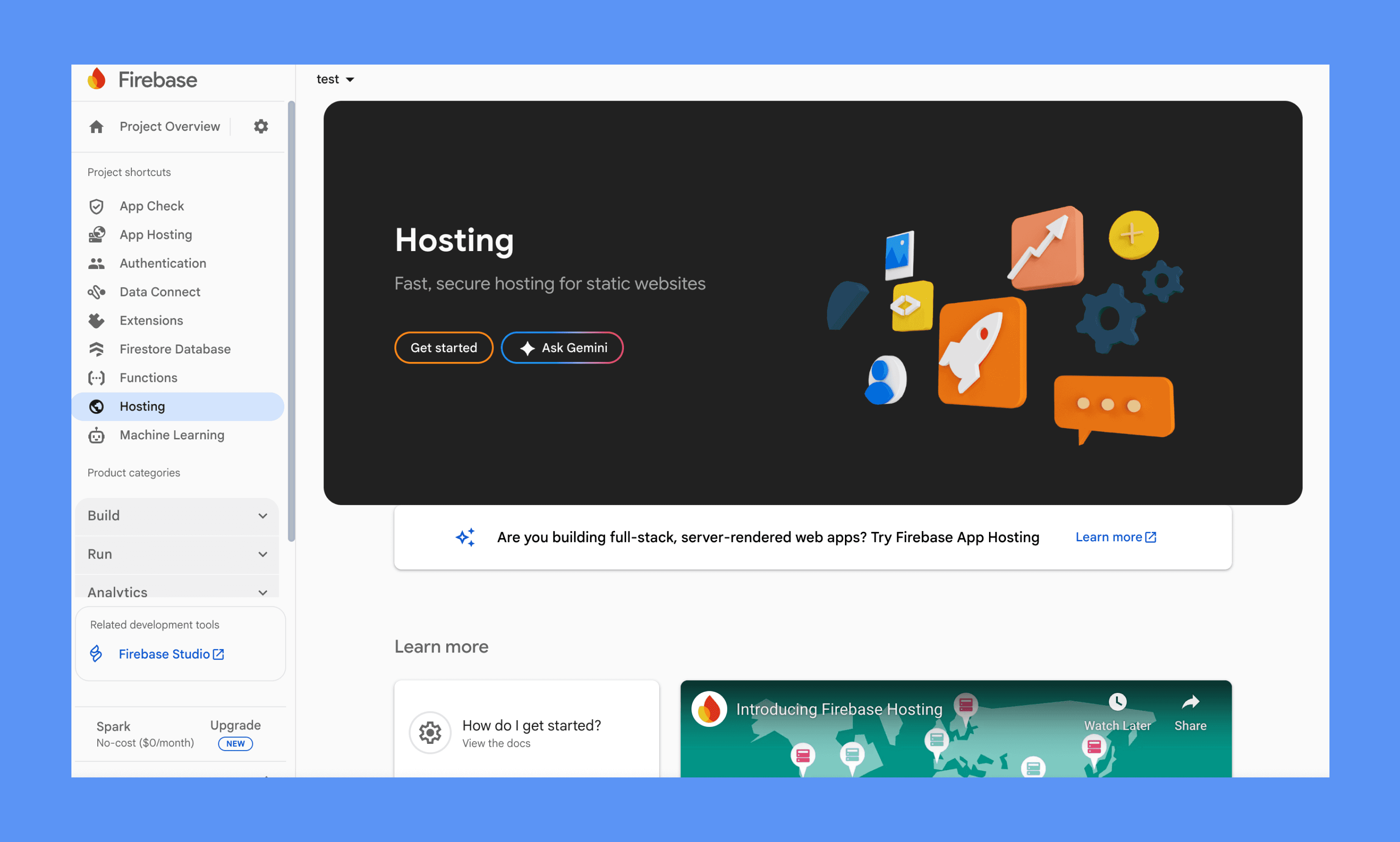
Firebase lida com autenticação, bancos de dados, hospedagem e funções serverless. Você realmente pode construir muita coisa com ele, mas esteja preparado para fazer a maioria das coisas manualmente, de volta ao velho estilo.
Por que isso importa:
Comprovado em escala
Fortes integrações
Infraestrutura confiável
Falta o apelo de vibe coding, mas é uma infraestrutura testada em batalha que escala. Se o Base44 gera o frontend, o Firebase pode lidar com tudo por trás.
Forças: Infraestrutura de backend testada em batalha com autenticação, bancos de dados, hospedagem e funções serverless.
Limitações: Preço baseado em uso pode ser difícil de prever e lock-in de fornecedor é uma preocupação real.
Preço: Camada gratuita disponível. Planos pagos têm preço complexo baseado em uso.
Alternativas ao Base44: FAQ
Qual é a melhor alternativa gratuita ao Base44?
Stitch é completamente gratuito sem limites. Vercel v0, Banani e Replit oferecem todos planos gratuitos, mas com limites de uso ou restrições de recursos. Para geração ilimitada de UI gratuita, Stitch é sua única opção. Para testar com tiers gratuitos generosos, tente Banani.
Qual alternativa ao Base44 é melhor para aplicativos mobile?
a0.dev é a opção mais forte para aplicativos focados em mobile, especialmente se você precisa de ajuda com a implantação na App Store e Play Store.
O Bolt.new é melhor que o Base44?
Bolt.new oferece mais visibilidade e controle de código, enquanto o Base44 foca em geração rápida e opinada. Se você quer focar em UI primeiro antes de gerar código, ferramentas como Banani oferecem uma abordagem completamente diferente. A melhor escolha depende se você prioriza velocidade, controle ou qualidade de design.
Posso exportar código dessas alternativas ao Base44?
Ferramentas como Bolt.new, Replit, Cursor e a0.dev permitem exportação completa de código com backend. Ferramentas focadas em design como Banani podem exportar para Figma, HTML/CSS e arquivos de design, tornando-as ideais para repassar trabalho a desenvolvedores. Em contraste, Firebase é um serviço de infraestrutura apenas backend.
Quais ferramentas oferecem preço fixo em vez de créditos?
Banani usa preço mensal fixo sem créditos ou limites de uso. Bubble, Replit e Glide têm planos claros em tiers, mas também utilizam sistema de tokens. Builder.io oferece planos em tiers, mas também cobra taxas de uso, então leia as letras miúdas.
Qual é a alternativa ao Base44 mais barata?
Para design de UI apenas: Stitch (gratuito) e Banani ($20/mês fixo) oferecem o melhor valor.
Para codificação completa: Vercel v0 ($20/mês) e Replit ($20/mês) são os mais acessíveis.
Para aplicativos sem código: Glide e Bubble começam por volta de $25-29/mês. O "mais barato" depende se você precisa de ferramentas de design, ambientes de codificação ou aplicativos completos.
Alguma das alternativas ao Base44 trabalha com Figma?
Sim. Banani, Builder.io, Stitch e MagicPatterns integram-se ou exportam para fluxos de trabalho do Figma.
Qual alternativa é melhor para fundadores não técnicos?
Para fundadores não técnicos, a melhor escolha depende de seu estágio:
Exploração inicial (pré-código): Banani permite que você visualize e itere no UI antes de se dedicar ao desenvolvimento.
Construindo MVPs: Bubble e Glide permitem construir aplicativos funcionais sem código, embora exijam tempo de aprendizado.
Entrega de design: Banani cria designs que os desenvolvedores podem implementar, evitando a "armadilha sem código" se você eventualmente precisar de desenvolvimento personalizado.
Como Escolher uma Alternativa ao Base44
A melhor alternativa depende de onde você está no processo de construção:
Estágio 1: Ainda descobrindo o que construir?
→ Comece com Banani ou Stitch para explorar direções de UI visualmente
→ Estas ajudam você a alinhar com partes interessadas antes que o código exista
Estágio 2: Pronto para prototipar rápido?
→ Lovable, Banani ou Bolt.new para demos full-stack rápidas
→ a0.dev se estiver construindo mobile-first
→ Bubble se preferir fluxos de trabalho visuais sem código
Estágio 3: Indo para produção?
→ Replit ou Cursor se você quiser ajuda de IA, mas precisar de controle de código
→ Retool se estiver construindo ferramentas internas para equipes
→ Firebase + Vercel v0 se você quiser arquitetura baseada em componentes
Não tem certeza de em qual estágio você está? Comece com Banani para criar designs e protótipos de UI. Uma vez claro sua direção, escolha uma ferramenta full-stack para construí-la. Esta abordagem em dois passos previne tempo de desenvolvimento desperdiçado em ideias pouco claras.
Considerações Finais
Base44 é um forte ponto de entrada na construção de aplicativos potenciada por IA, mas não é a única opção. Diferentes estágios de construção exigem ferramentas diferentes.
Algumas equipes precisam de clareza de UI primeiro. Outras precisam de infraestrutura. Algumas querem preços previsíveis.
Use a tabela de comparação acima para identificar rapidamente quais ferramentas correspondem às suas prioridades, seja poder de IA, controle de UI ou prontidão para produção.
Este guia foi escrito pela equipe Banani baseado em testes práticos de construtores de aplicativos de IA e ferramentas de design. Regularmente atualizamos esta comparação conforme novas ferramentas são lançadas e os preços mudam.


